 English
 Kinyarwanda

WASAC Group receives meter testing kits to improve rural water billing and cut losses
12/02/2026
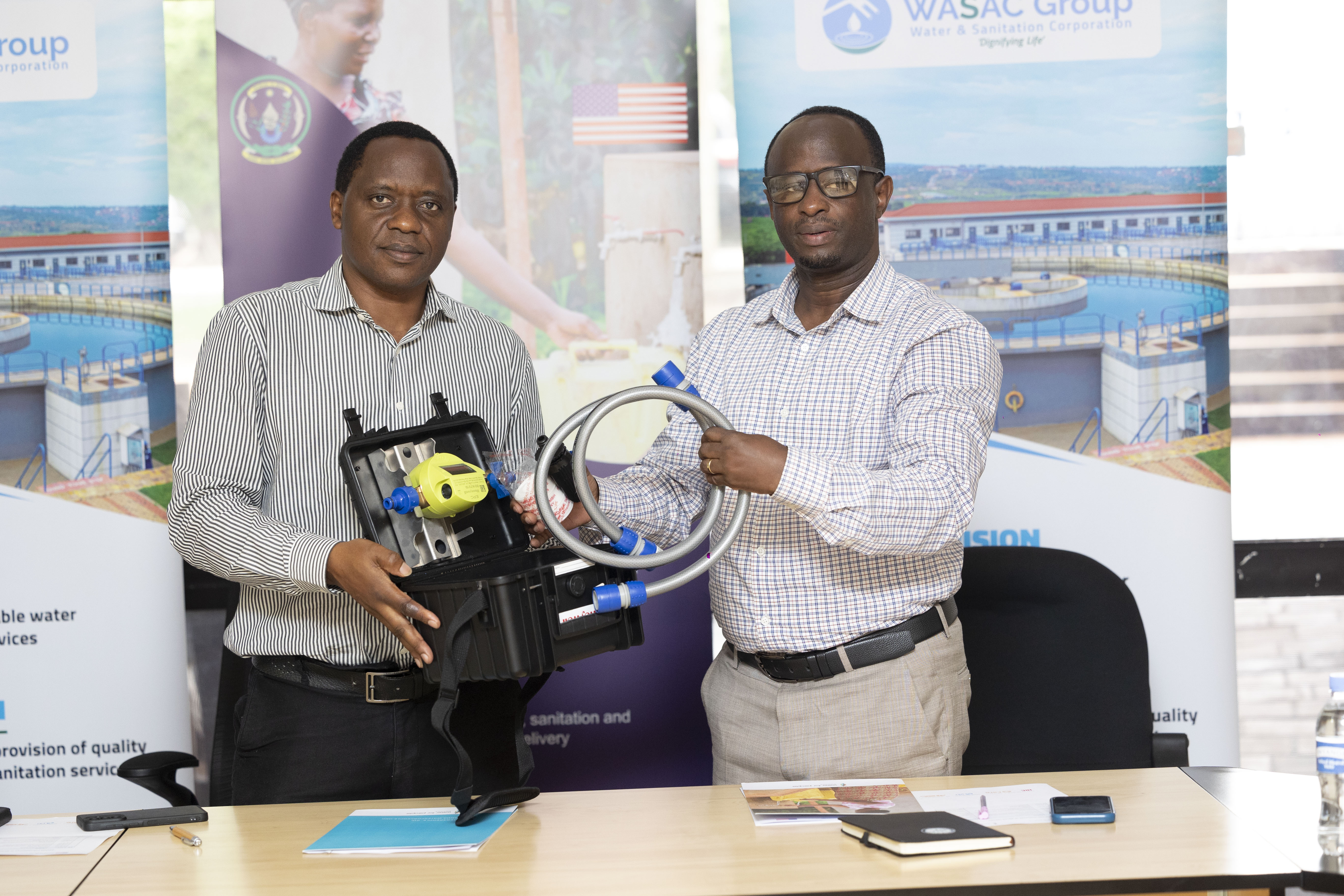
Kigali 12 February 2026. Rural households in 10 districts are expected to benefit from more accurate water billing after Water For People donated 10 portable water meter testing kits to WASAC Group. The new equipment will strengthen rural water billing systems and contribute to reducing non-revenue water.
Each kit, valued at over Rwf 1.45 million, is designed to detect faulty meters, prevent overcharging or undercharging, and strengthen trust in rural water services. The initiative, part of the US-funded Isoko y’Ubuzima Project implemented by Water For People Rwanda, will serve communities across the Eastern and Northern Provinces.
The handover ceremony took place on Wednesday, February 11, at the Water For People Rwanda head office in Kacyiru. It is expected the project to benefit districts from the Eastern and Northern Provinces, including Rwamagana, Kayonza, Ngoma, Kirehe, Nyagatare, Ruhango, Nyanza, Nyamagabe, Nyabihu, and Ngororero.
The initiative is expected to reduce billing errors, improve revenue collection. Accurate billing is essential for maintaining infrastructure, paying operators, and ensuring continuous service delivery. It seeks to strengthen the management and sustainability of rural water services, with a particular focus on reducing non-revenue water water that is produced but not paid for due to factors including leaks, faulty meters, or billing errors.
“In my area where I supply water to residents, we experience losses because we are unable to fully recover the investment made in providing the service. I personally serve about 4,500 clients and must visit them whenever there is a complaint regarding water supply,” said Aron Havunabakunda, a private operator working with Rwamagana District in the sectors of Mwurire, Munyaga, and Kigabiro.
Eugene Dukuzumuremyi, the Country Director of Water For People Rwanda, said the donation meant to ensure efficient and fair water supply for rural communities.
“Our ambition is to ensure communities access clean water with reliable services. Through our collaboration with WASAC Group, we want to make sure both suppliers and consumers benefit equally from a transparent and efficient system,” he said.
The devices are portable and designed for field use. They can test different volumes of water flow and provide clear digital readings. The kits are battery-powered, durable, and suitable for rural conditions. Before the handover, plumbers and WASAC Group engineers from the beneficiary districts were trained on how to properly use the equipment to ensure effective and consistent application. WASAC Group will oversee the use of the kits and provide ongoing technical support. The equipment will help identify inaccurate meters and resolve customer complaints related to water bills.
Other Posts
21/05/2026
Nigerian Students Visit Kanzenze Water Treatment Plant to Learn Modern Water Production Systems
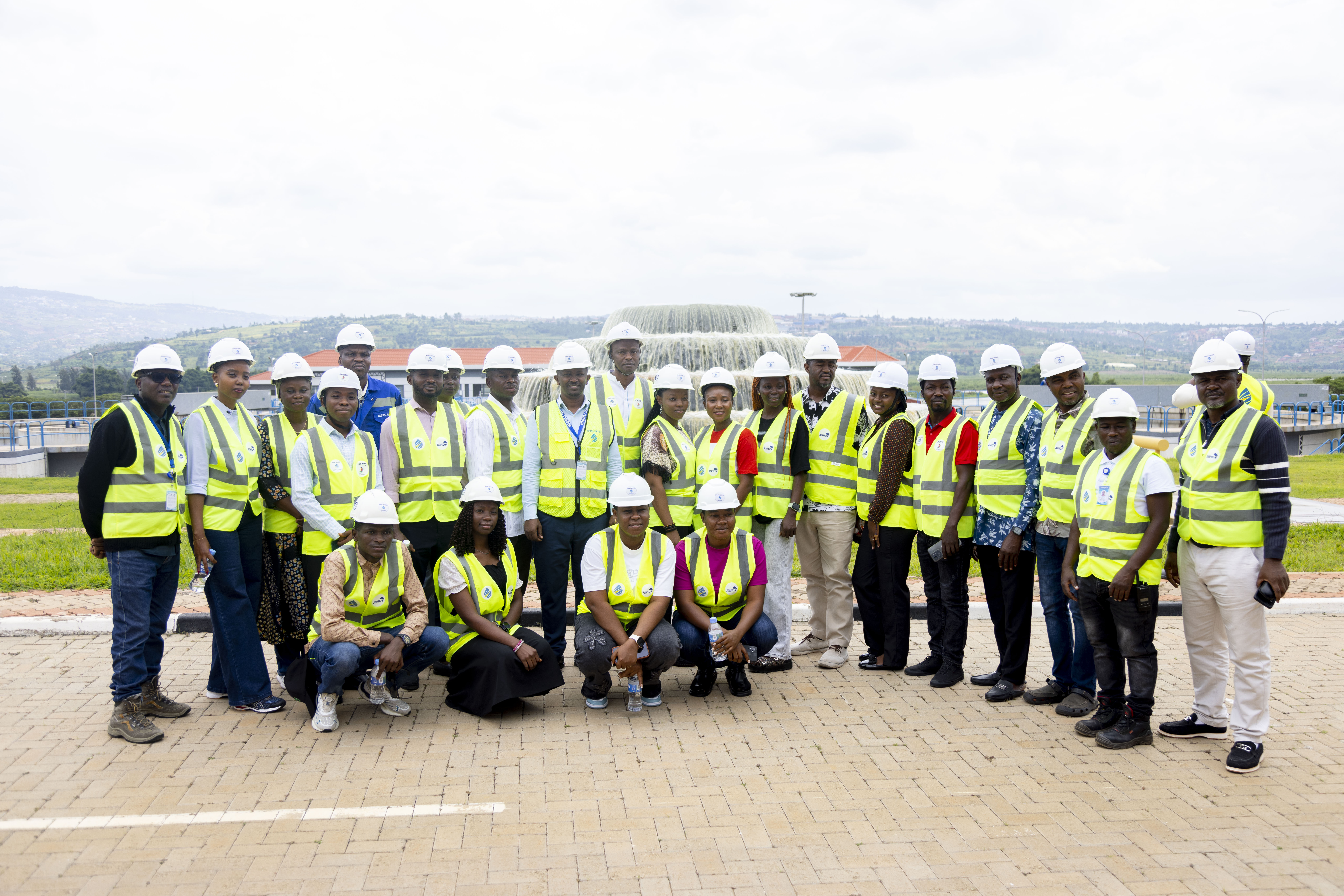
Kigali, 21st May 2026. A group of 18 postgraduate students from Joseph Sarwuan Tarka University visited the Kanzenze Water Treatment Plant on Wednesday, 20 May 2026, as part of an international exchange program focused on Procurement Management, Environmental Sustainability and Social Standards.
11/05/2026
WASAC Group Celebrates Labour Day 2026 with a Call to Enhance Service Delivery
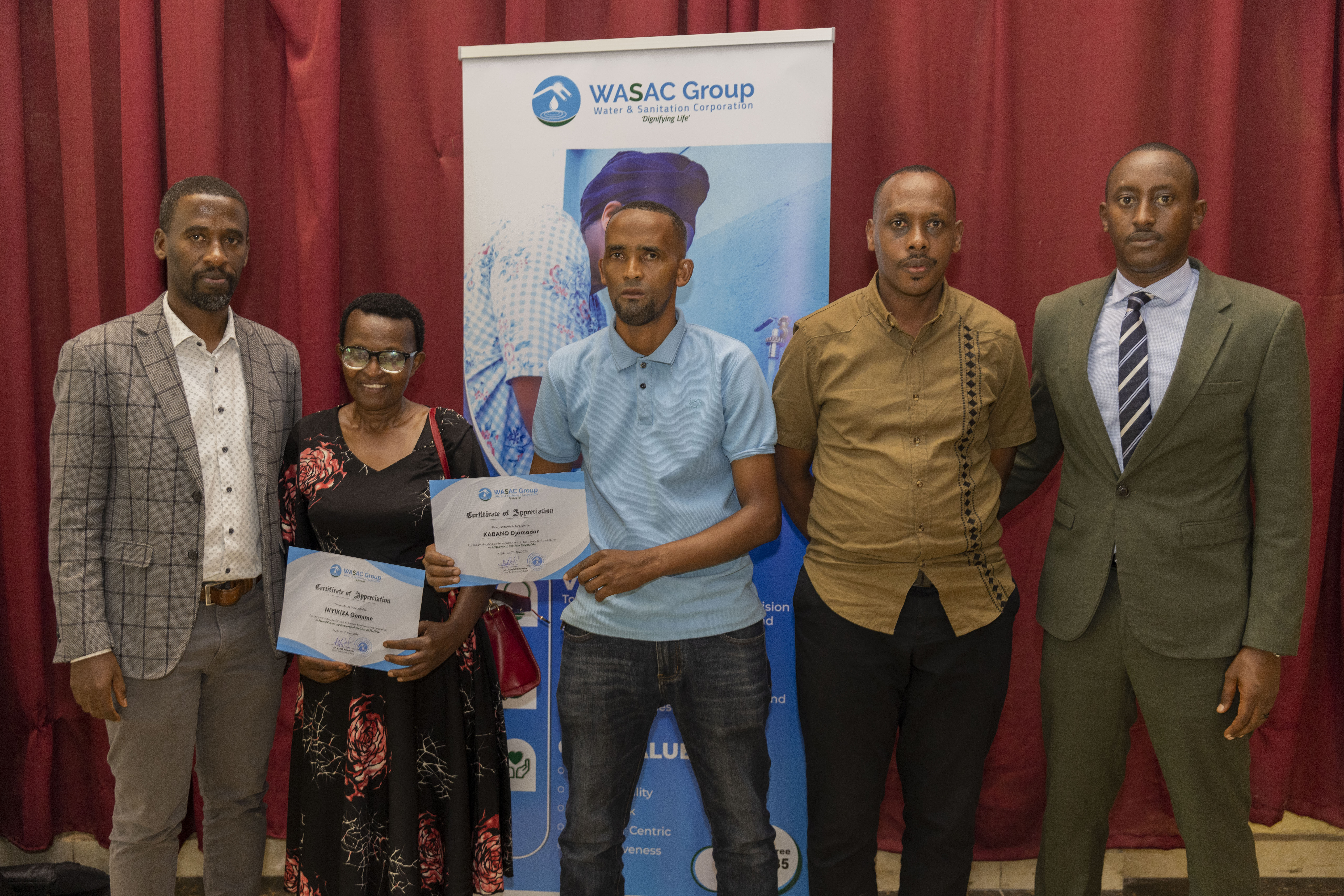
Kigali – Friday, May 8th ,2026. The Water and Sanitation Corporation (WASAC Group) marked Labour Day 2026 with reflections on improving water and sanitation service delivery, alongside celebrations recognizing staff achievements and retired employees.
24/04/2026
WASAC Group and REG Commemorate Former ELECTROGAZ Employees Who Lost Their Lives in the 1994 Genocide against the Tutsi
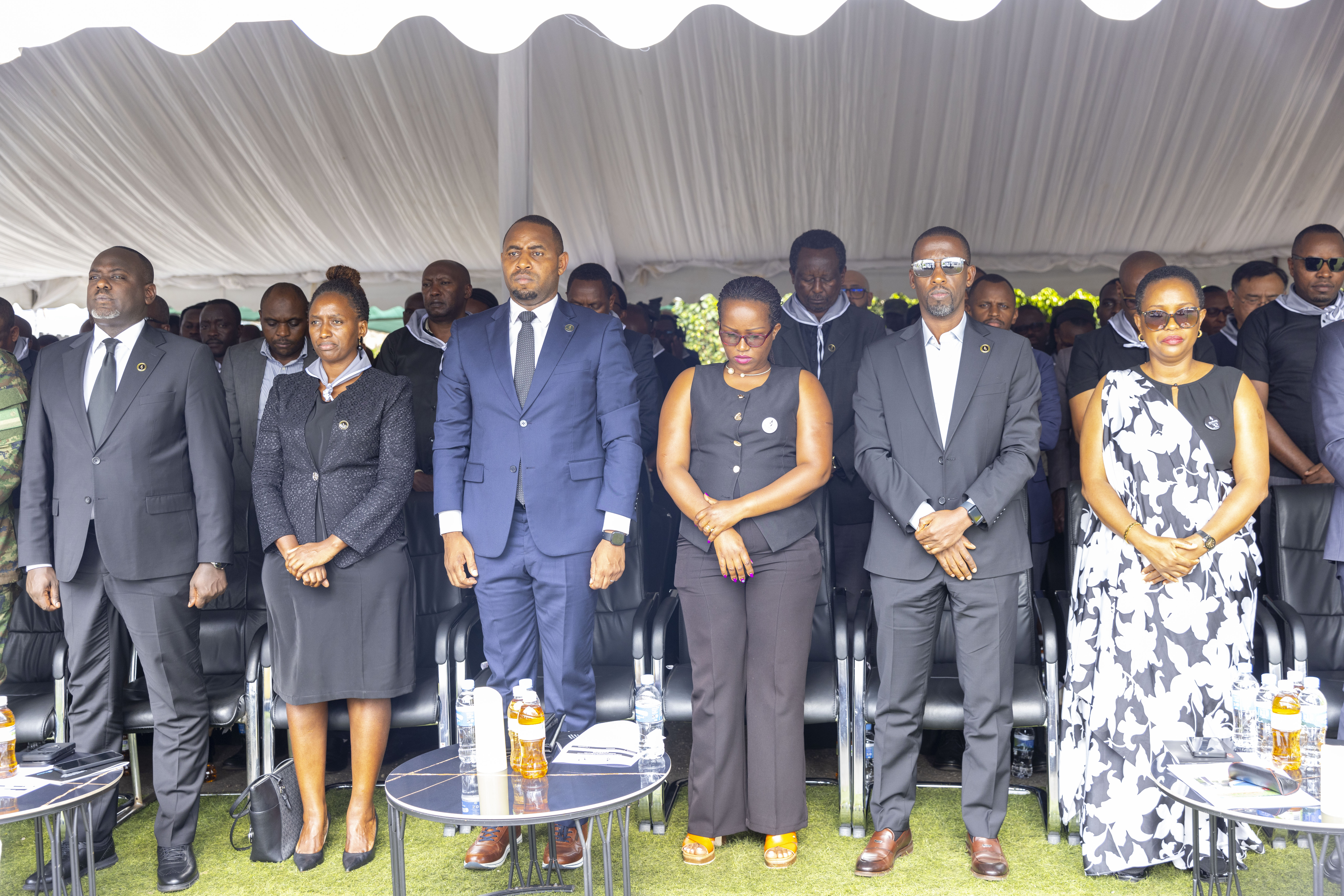
Kigali – Friday, April 24 ,2026. Water and Sanitation Corporation (WASAC Group Ltd), in collaboration with Rwanda Energy Group (REG Ltd), convened a joint commemoration to honor former ELECTROGAZ employees who lost their lives during the 1994 Genocide against the Tutsi.
23/03/2026
WASAC Group and Partners Join Forces to Celebrate World Water Day 2026 in Rwamagana
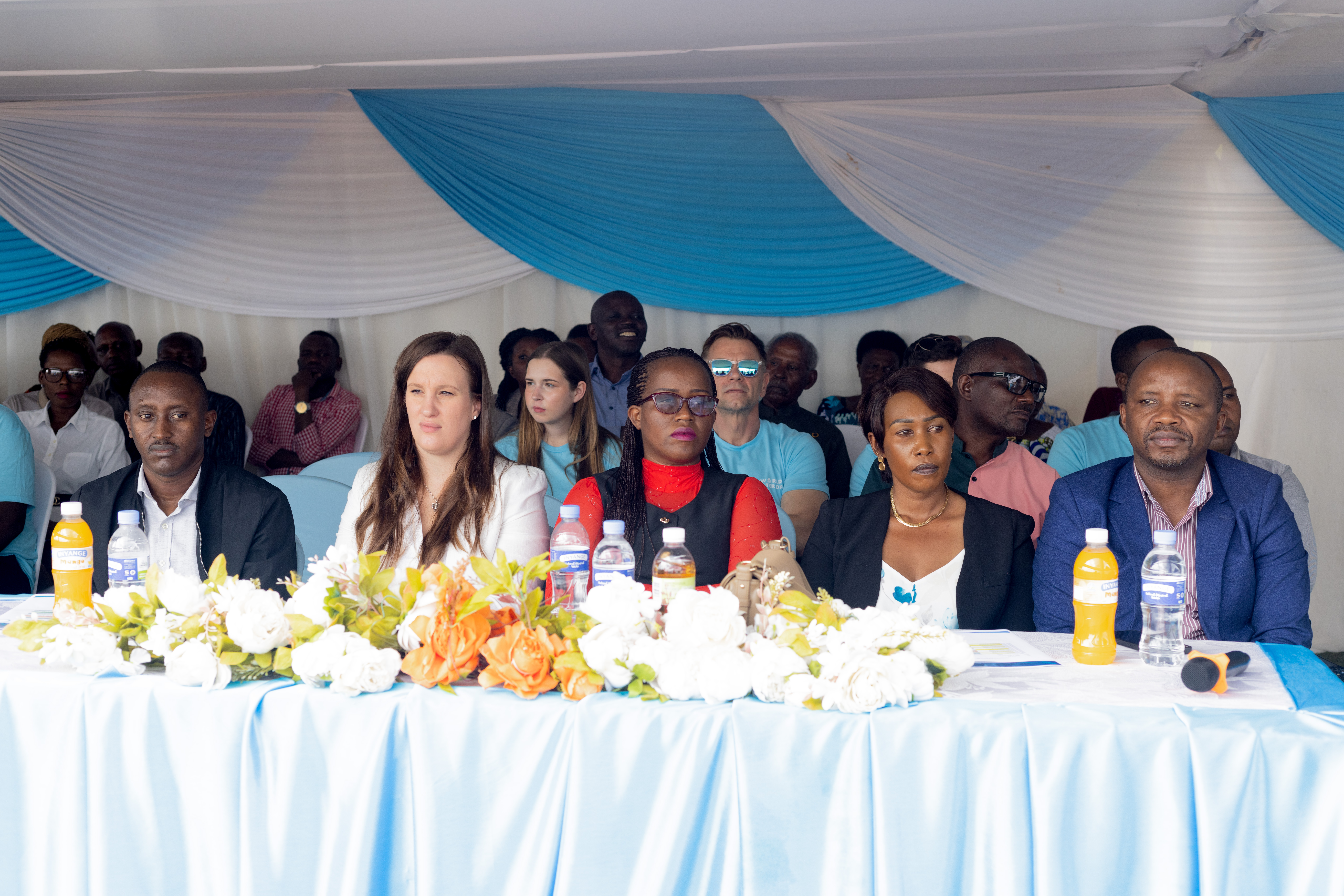
Rwamagana District March 22, 2026. Water and Sanitation Corporation (WASAC Group), in partnership with the H2O Consortium and other stakeholders, joined residents of Karenge Sector to celebrate World Water Day 2026 under the theme “Water and Gender,” emphasizing the connection between water access and gender equality.