 English
 Kinyarwanda

Modern Waste Treatment Facility Set to Elevate Sanitation in Musanze
02/10/2025
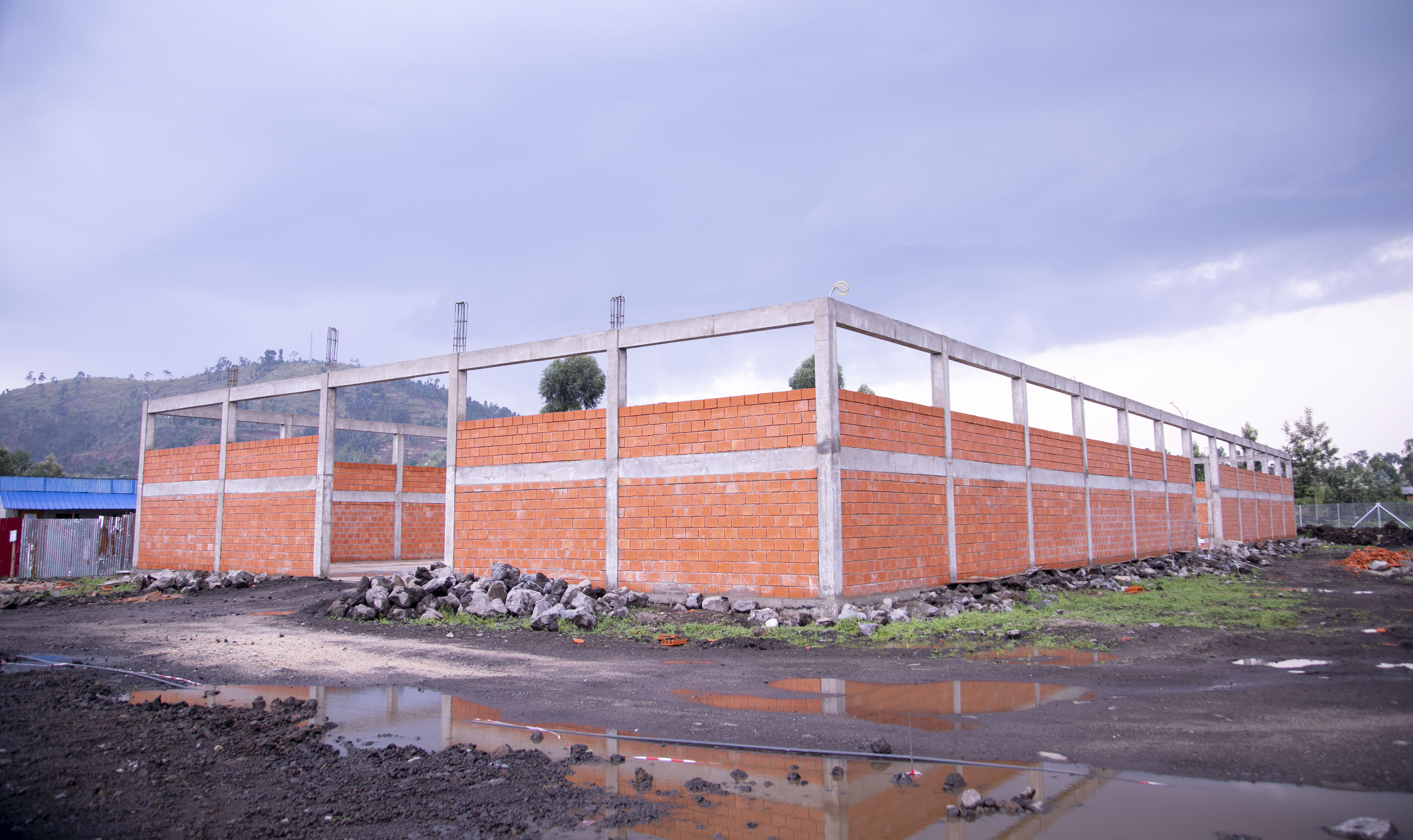
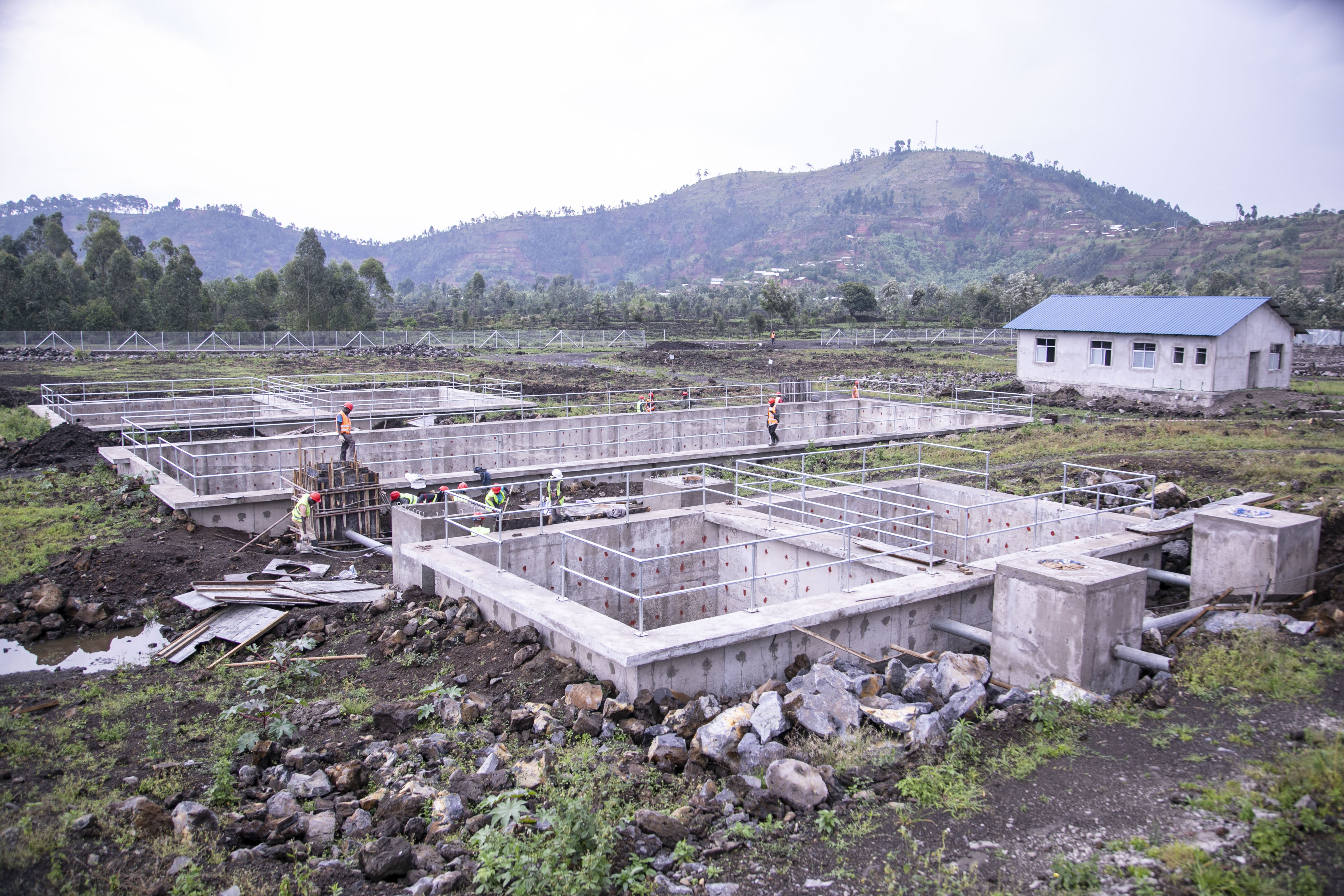
Musanze, 01 October 2025. In support of Rwanda’s national efforts for safe waste disposal and environmental protection, WASAC Group is developing modern landfills and fecal sludge treatment plants (FSTPs) across the country. A major project is underway in Musanze District, one of Rwanda’s fastest growing secondary cities, aiming to improve sanitation and public health.
The sanitation facility is being built on a 6.8-hectare site in Kabukende Village, Karwasa Cell, Gacaca Sector in Musanze District. Construction began in October 2024 and has now reached 62% completion, with full completion anticipated by the end of 2025. Once operational, the facility will include a modern landfill capable of processing 33 tons of solid waste per day and an adjacent fecal sludge treatment plant designed to treat up to 62 cubic meters of wastewater daily. The project aims to improve sanitation services, minimize environmental pollution, and enhance public health outcomes in the district.
“This infrastructure will significantly improve waste management in Musanze by eliminating uncontrolled dumping, which often attracts disease vectors such as flies, rodents, and worms,” said Claudien Nsengimana, Mayor of Musanze. “It is a major step forward in safeguarding public health and improving the quality of life for our residents.”
Beyond its core sanitation functions, the facility is expected to generate additional benefits, including waste recycling, fertilizer production, and employment opportunities. The infrastructure also features access roads, storm water drainage systems, designated waste cells, and a leachate management system to protect groundwater and surrounding ecosystems.
The Sanitation project in Musanze District forms part of the Government of Rwanda’s long-term Vision 2050, which emphasizes sustainable urban development and expanded access to improved sanitation. Similar infrastructure developments are underway in Karongi, Rubavu, and Rusizi, with funding support from the African Development Bank (AfDB). A comparable facility in Nyagatare District is already operational. These strategic investments represent a critical step toward universal access to improved sanitation services, ensuring environmental sustainability, and enhancing the health and well-being of communities across Rwanda.
WASAC Group is mandated to oversee the sanitation services nationwide, including both solid waste and wastewater management. While the collection and transportation of solid waste from households fall under the responsibility of local Districts. WASAC Group provides technical expertise in the design and management of landfills. The day-to-day operations of these facilities are carried out by private operators, who are selected through transparent and competitive bidding processes conducted jointly by Districts and WASAC Group.
Other Posts
23/03/2026
WASAC Group and Partners Join Forces to Celebrate World Water Day 2026 in Rwamagana
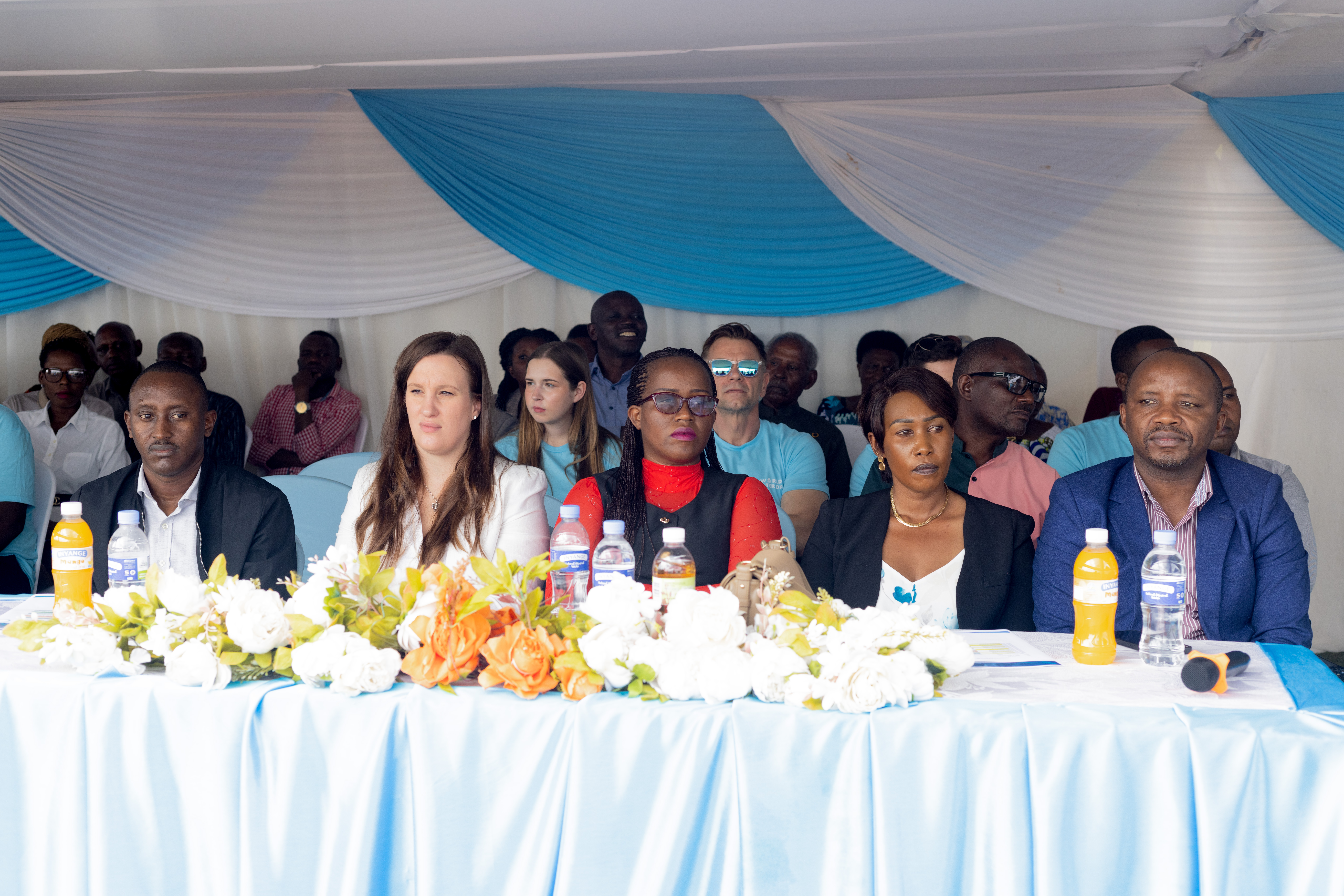
Rwamagana District March 22, 2026. Water and Sanitation Corporation (WASAC Group), in partnership with the H2O Consortium and other stakeholders, joined residents of Karenge Sector to celebrate World Water Day 2026 under the theme “Water and Gender,” emphasizing the connection between water access and gender equality.
23/02/2026
Rehabilitation of Water Systems Transforms Lives in Gakenke District
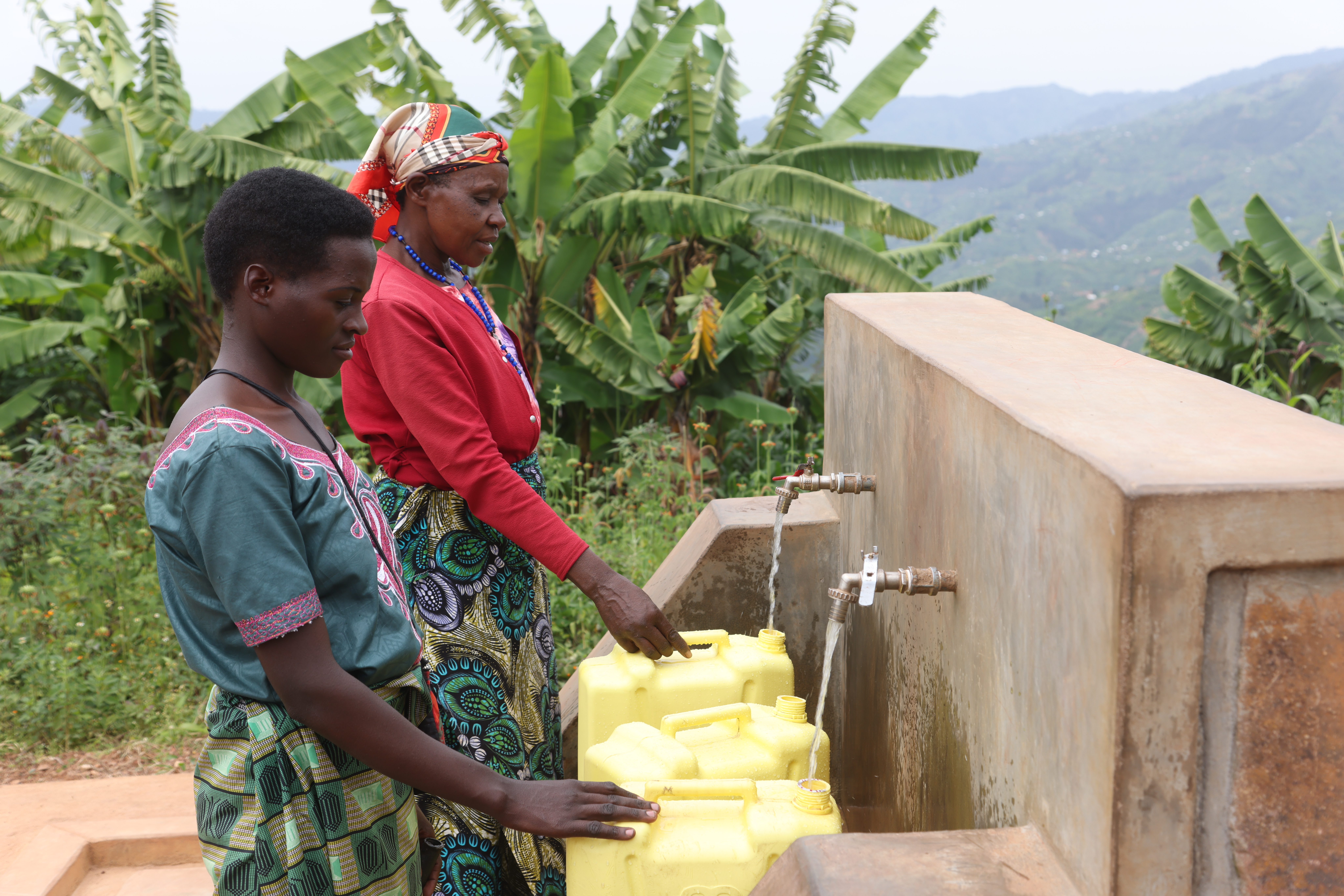
Gakenke, 23 February 2026. In Gakenke District, the rehabilitation and extension of two water supply systems have improved living conditions for 1,653 households by providing clean water to 7,437 residents through a 31.8-kilometer network in Gashenyi and Muyongwe sectors.
12/02/2026
WASAC Group receives meter testing kits to improve rural water billing and cut losses
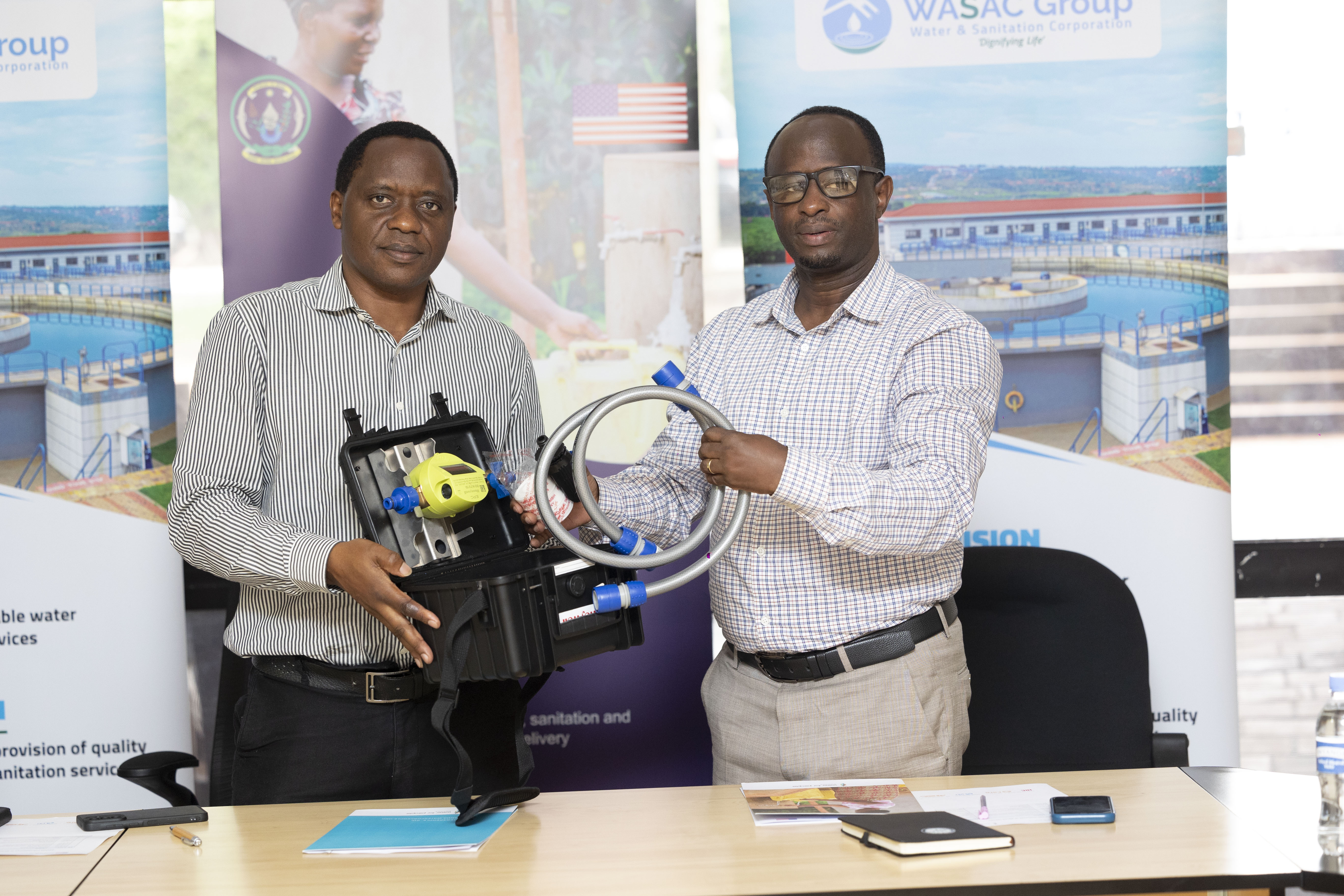
Kigali 12 February 2026. Rural households in 10 districts are expected to benefit from more accurate water billing after Water For People donated 10 portable water meter testing kits to WASAC Group. The new equipment will strengthen rural water billing systems and contribute to reducing non-revenue water.
27/01/2026
IremboGov Simplifies Access to Water Services for Kigali City Residents
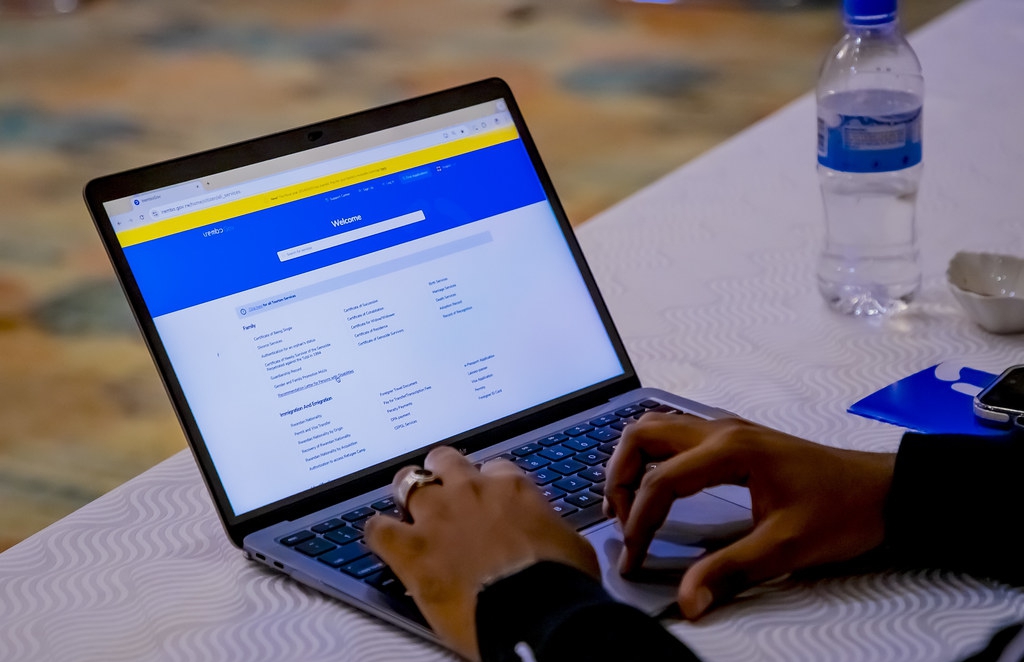
Kigali, 27th January 2026. Effective 26th January 2026, applications for New Water Connections, Supplementary Meters, and Water Reconnection requests for residents of the City of Kigali are now being processed through the new IremboGov platform.