 English
 Kinyarwanda

Rehabilitated Water Supply Systems Improve Water Access for Nearly 43,000 People in Rusizi
03/07/2026
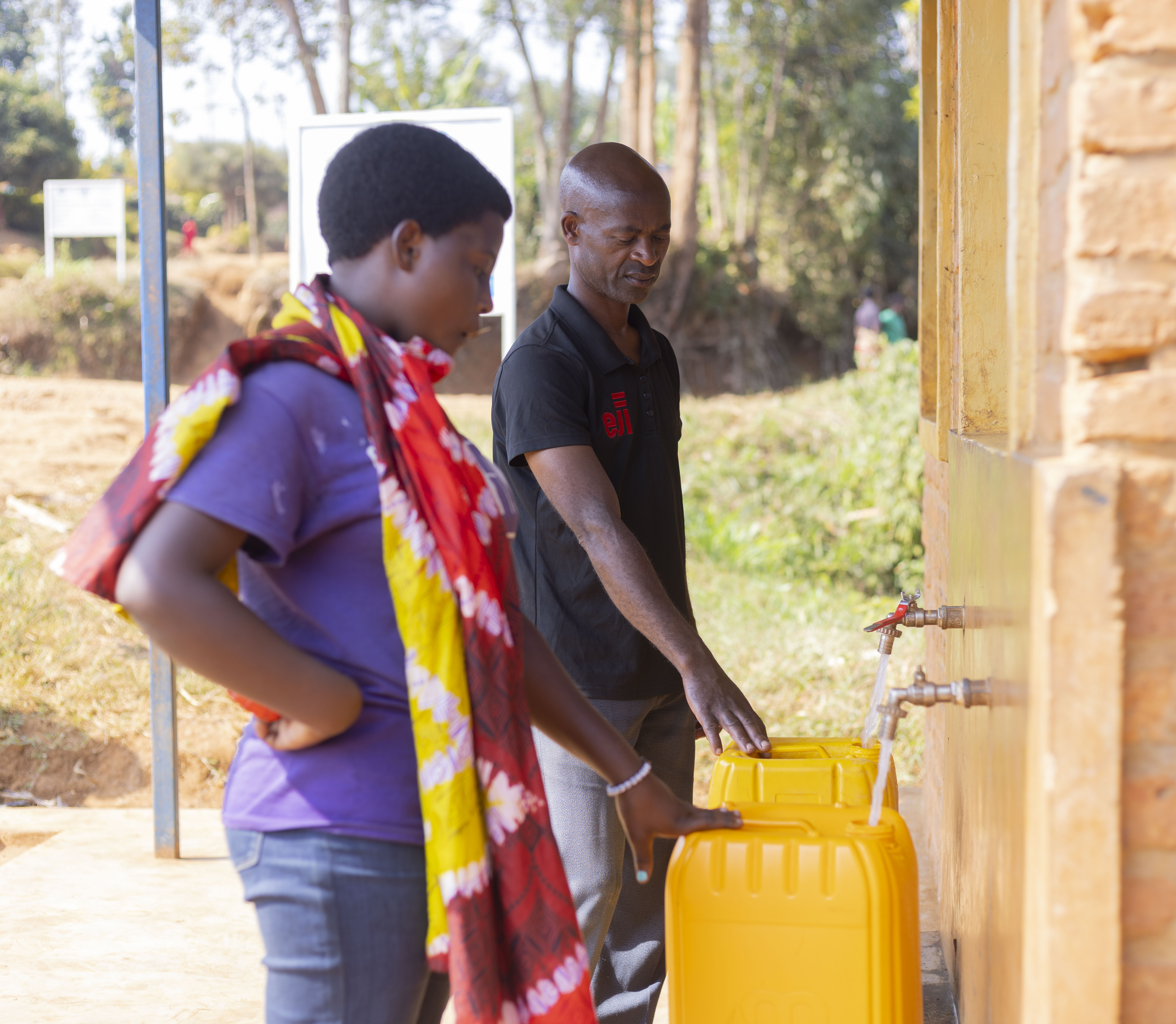
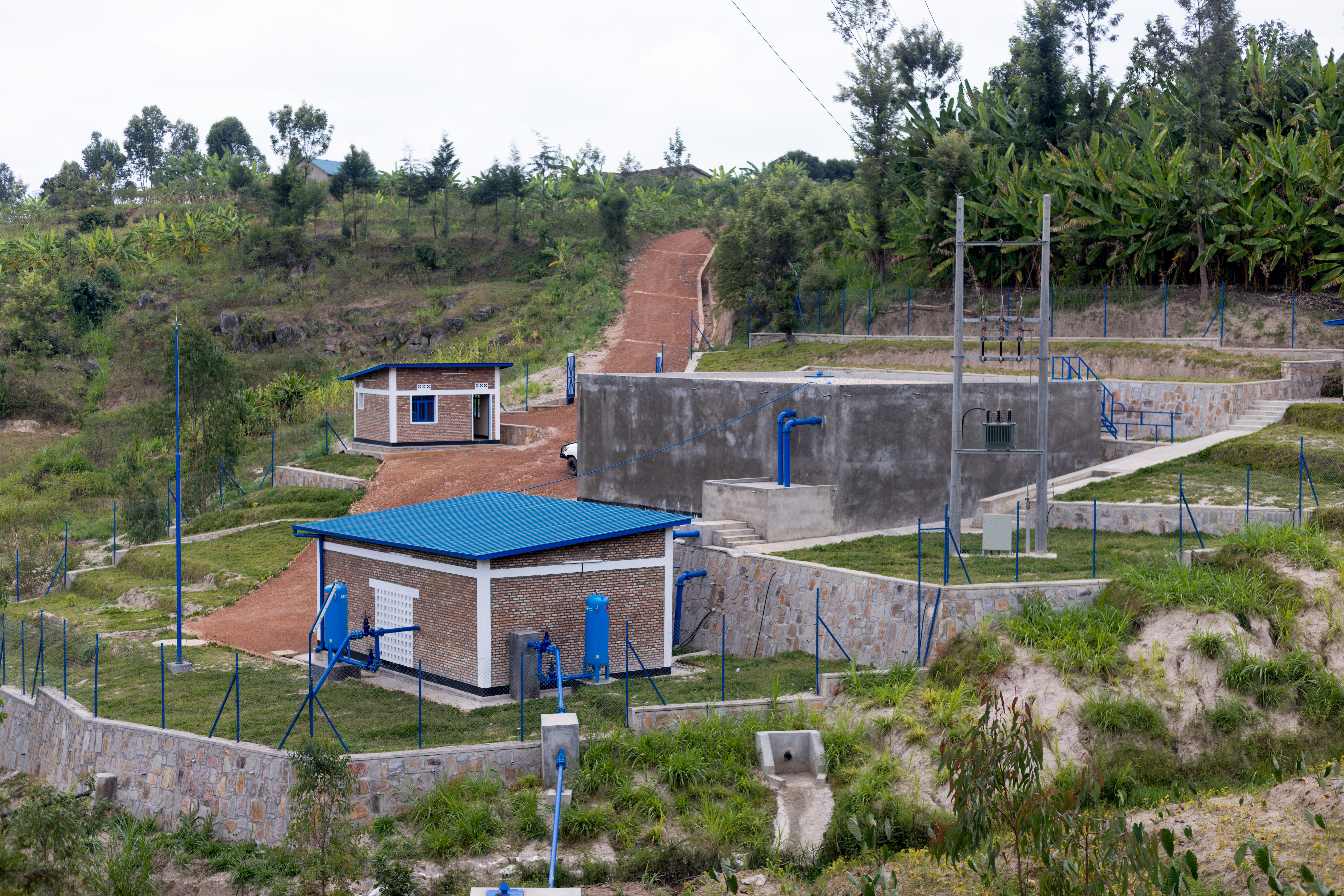
Rusizi, 03 July 2026. Nearly 43,000 residents in the Nkanka, Gihundwe, Giheke, and Gikundamvura sectors of Rusizi District have gained improved access to clean water following the completion of the rehabilitation of two major water supply systems: Rusayo–Rwabuto–Nkanka and Cyafuku–Kibangira–Kiziguro I & II.
Supported by UNICEF with funding from the Government of Japan and implemented by WASAC Group in collaboration with Rusizi District, the project has significantly strengthened water service delivery by expanding access to safe and reliable water, improving the quality of life for thousands of households.
The Rusayo–Rwabuto–Nkanka Water Supply System comprises 33 km of water networks, three reservoirs with a combined storage capacity of 70 m³, and 15 public water points. The rehabilitated system now provides reliable access to clean water for residents of Nkanka Sector, parts of Shagasha Cell in Gihundwe Sector, and Rwinkwavu Village in Giheke Sector.
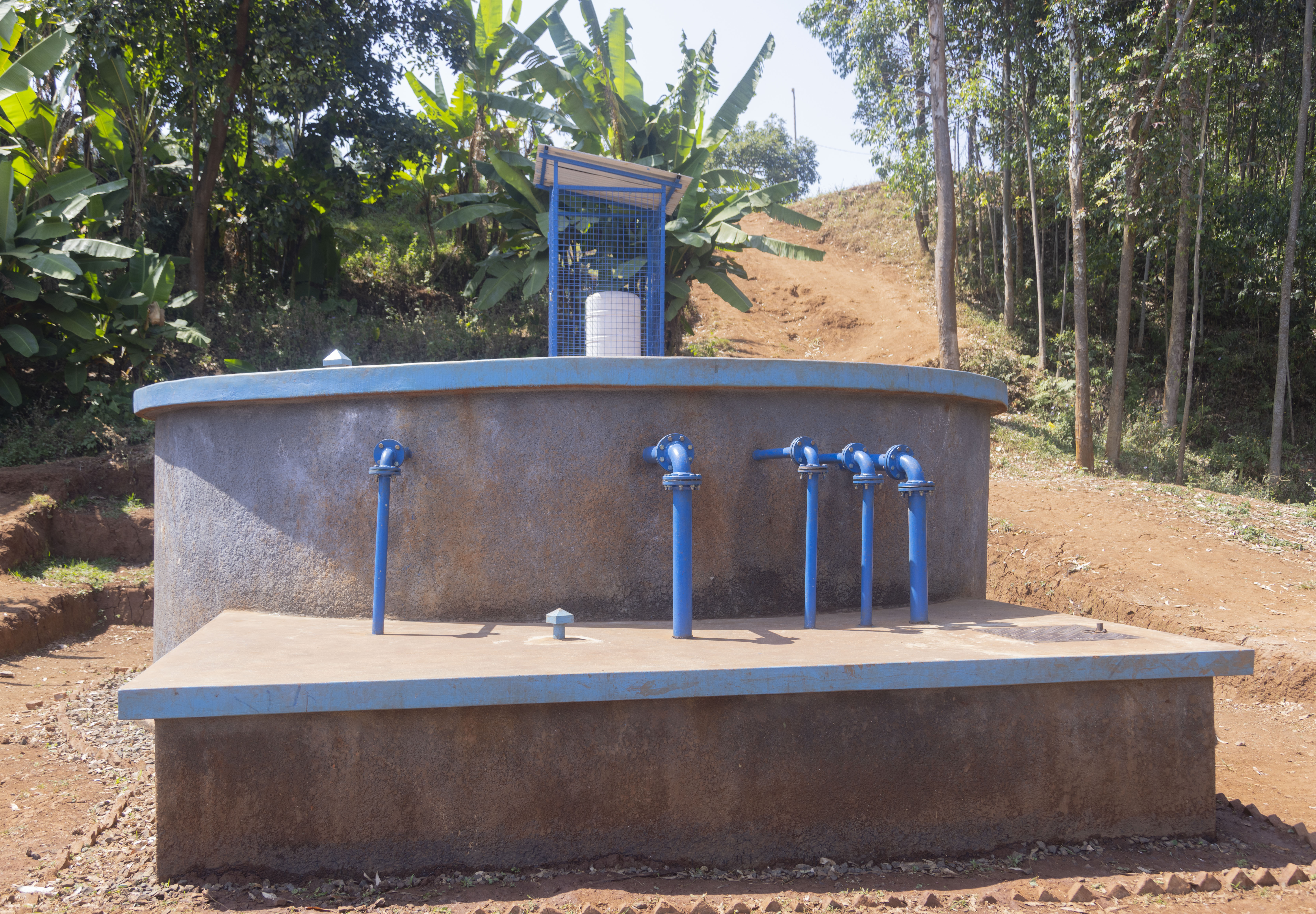
The Cyafuku–Kibangira and Kiziguro I&II Water Supply System, which had been severely damaged by landslides and flooding, was also rehabilitated. The works included the installation of 27 km of pipelines, reservoirs, and public water points. The restored system has addressed persistent water shortages affecting more than 13,000 residents in several cells of Gikundamvura Sector.
Beyond households, the project also improved access to clean water for public institutions, including schools and health facilities, contributing to better hygiene, sanitation, and service delivery.
Reliable Access to Clean Water Brings Relief to Beneficiaries
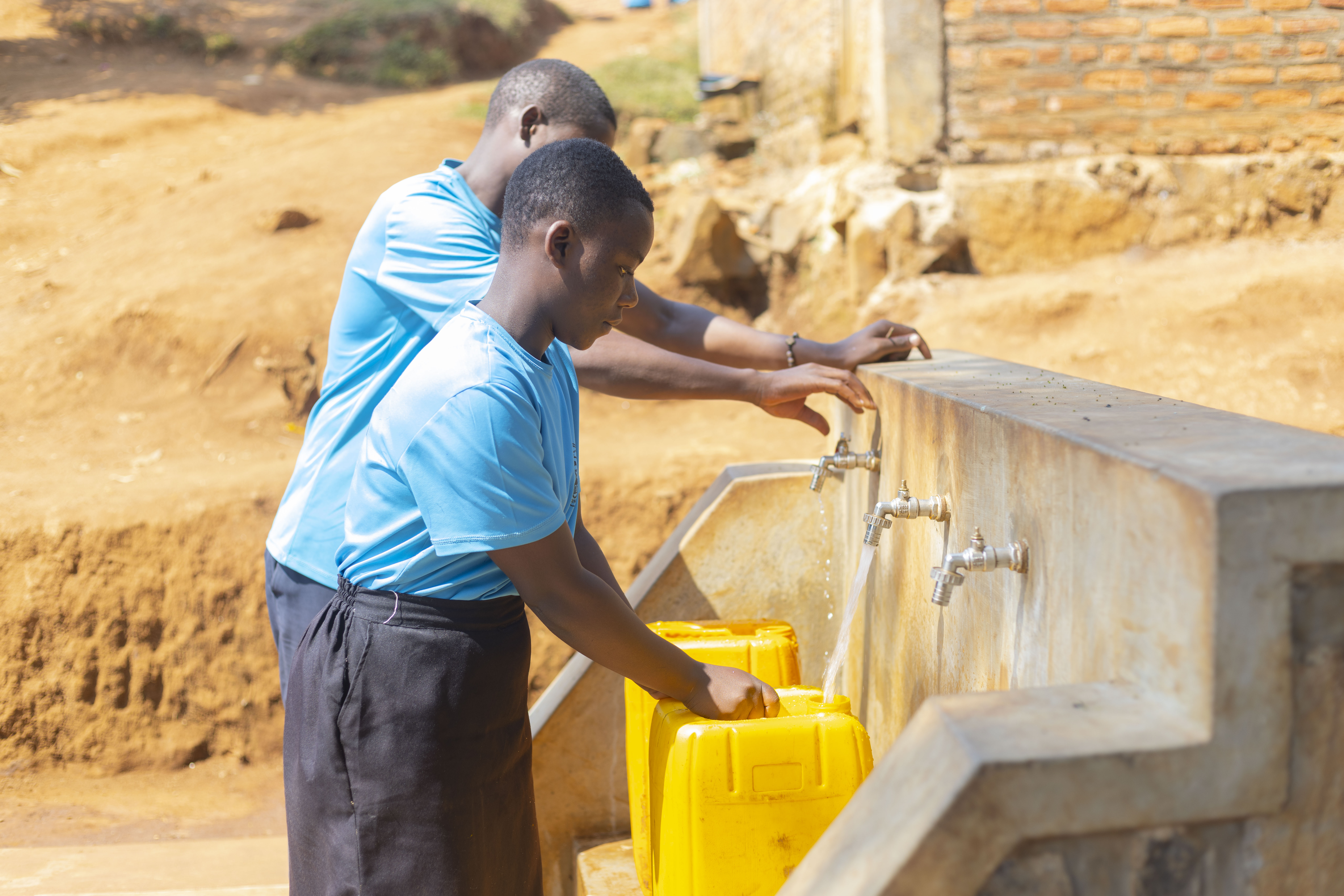
Residents say the rehabilitated systems have transformed their daily lives by reducing the time and cost previously spent searching for water. "We had no clean water for drinking, cooking, or cleaning. We used to fetch water from distant sources and could spend up to two hours collecting it. We are happy to have clean water close to our homes, and our hygiene has improved. We now pay only RWF 20 per jerrycan, whereas those who could not carry jerrycans had to pay as much as RWF 200," said Nyirabyakumbuye Speciose, a 72-year-old resident of Mpinga Cell in Gikundamvura Sector.
Institutions, including 14 schools and 7 health facilities, have also experienced significant improvements following their connection to the rehabilitated water supply systems.
Sister Alexiane Nyirahabineza, Head Teacher of GS Sainte Thérèse de l'Enfant Jésus Kibumba TSS in Nkanka Sector, which serves 1,373 students, is among the beneficiaries of the new water connection. She recalled the challenges the school faced before being connected to the rehabilitated water supply system. "Before the school was connected, it depended on water from Lake Kivu and incurred high costs to secure enough water for daily use, often causing delays in meal preparation. With the new water connection, the school now has a reliable water supply for cooking, cleaning, and drinking, ensuring meals are served on time and creating a better learning environment for students," she said.
The Executive Secretary of Nkanka Sector, Ntivuguruzwa Gervais, commended WASAC Group and its partners for their continued efforts to expand access to clean water. "The rehabilitation of these water systems has enabled three of our five cells to be connected to the water network, and additional interventions are underway to achieve full water coverage across the sector. Improved access to clean water has strengthened hygiene and sanitation while helping to reduce waterborne diseases among our residents," he said.
The rehabilitation of the Rusayo–Rwabuto–Nkanka and Cyafuku–Kibangiraand Kiziguro I&II water supply systems forms part of WASAC Group's nationwide programme to rehabilitate aging and damaged water infrastructure in partnership with organizations working in the water and sanitation sector. The project commenced in July 2025 and was completed in March 2026.
Upon completion, the rehabilitated systems further strengthened the already high level of access to clean water in Rusizi District, which stood at 94% according to the Seventh Integrated Household Living Conditions Survey (EICV7), bringing the district closer to achieving universal access to safe and reliable water services.
Other Posts
04/08/2026
Improved Water Access Transforms Lives in Nyamagabe
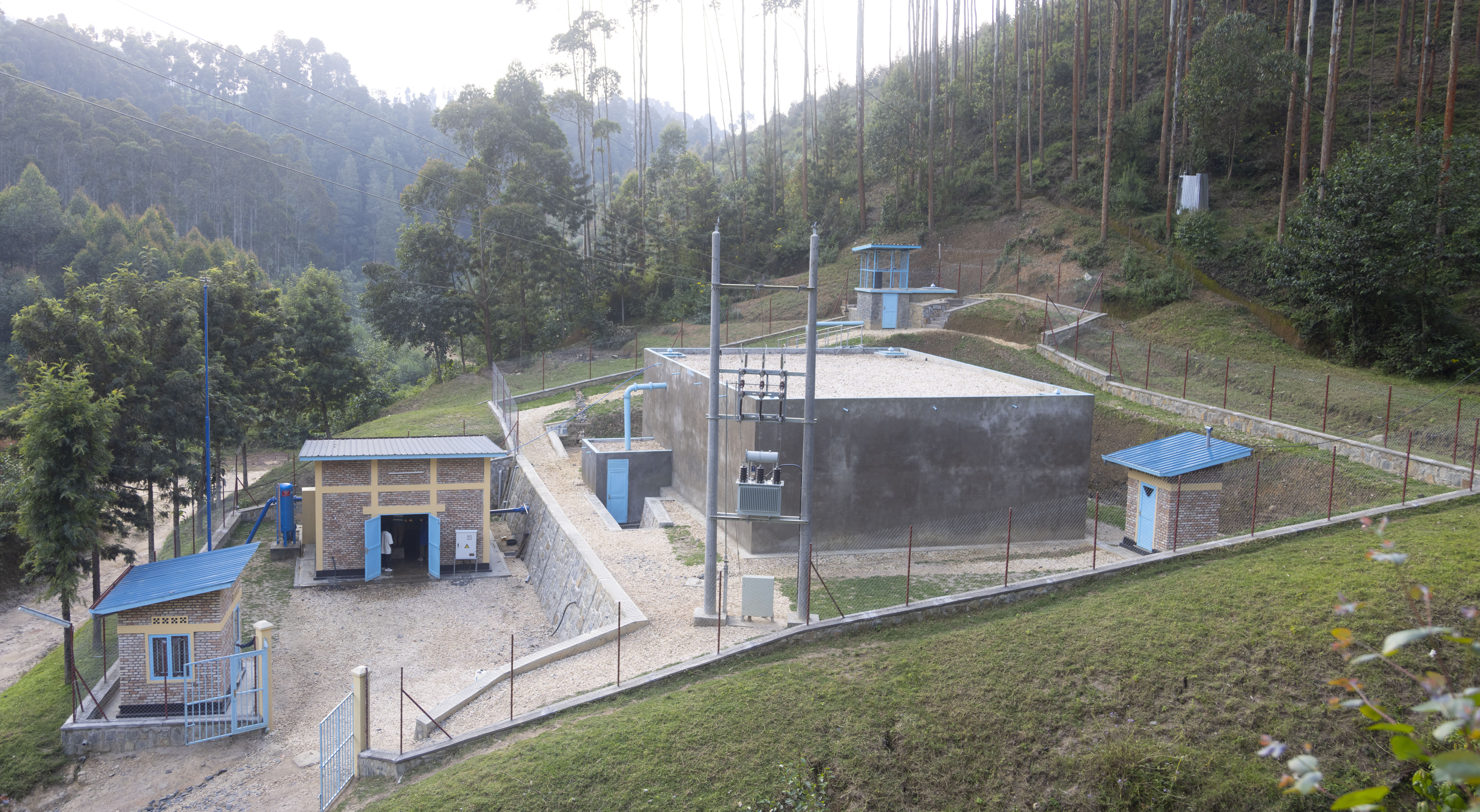
Nyamagabe, 04 August 2026. More than 48,000 residents of Kitabi, Tare, Uwinkingi and Kibirizi sectors in Nyamagabe District, are now benefiting from improved access to clean, safe following the successful reinforcement and upgrade of the Mabende–Rwufe Water Supply System.
20/07/2026
Rehabilitation of Water Systems Boosts Water Access to 86.4% in Nyaruguru District
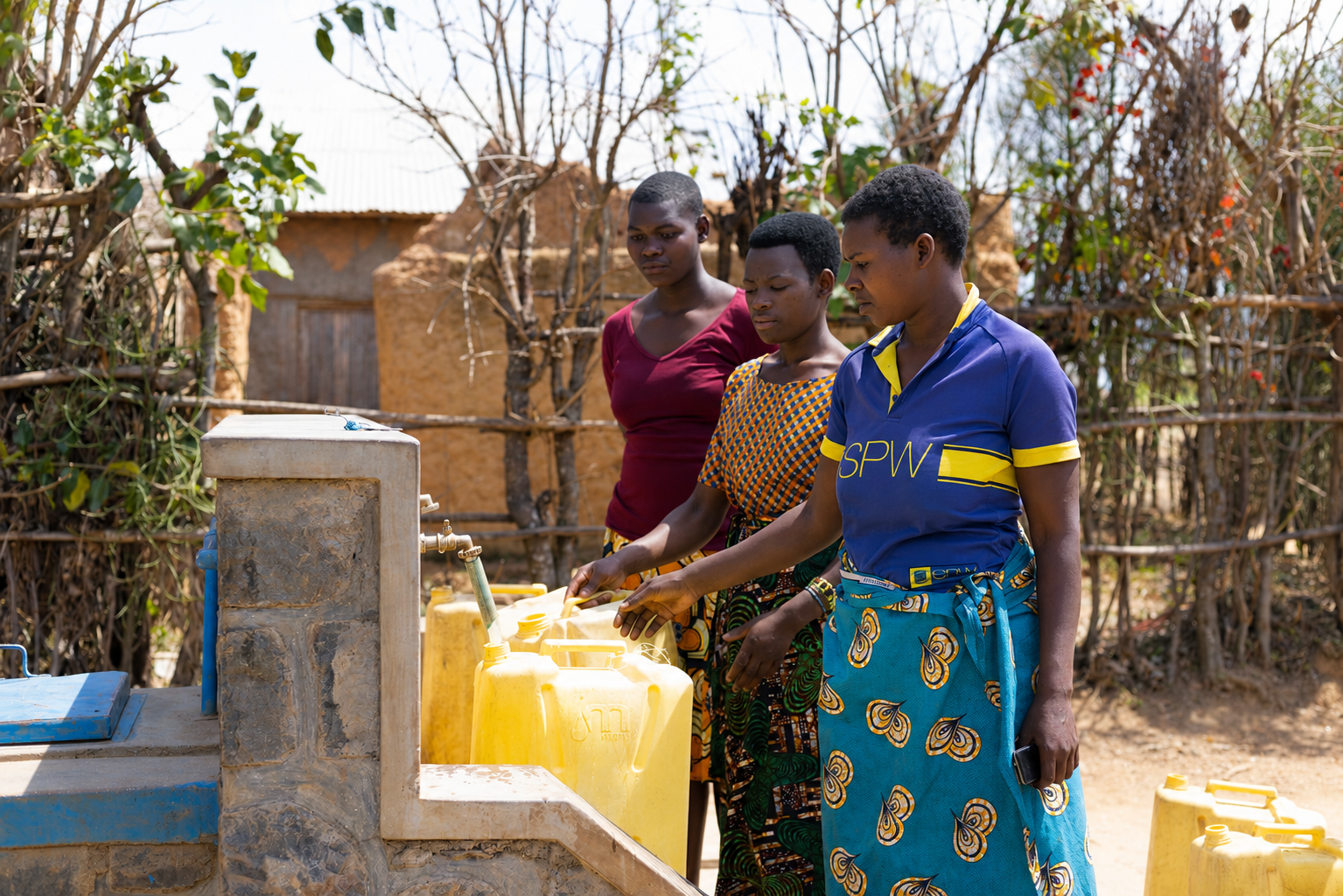
Nyaruguru, 20 July 2026. The rehabilitation and upgrading of 10 water supply systems in Nyaruguru District has significantly expanded access to clean water, increasing water service coverage from 72% to 86.4% across the district.

26/06/2026
U.S.-Funded Isoko y’Ubuzima Project Leaves Lasting Legacy in Rwanda’s WASH Sector
Kigali, June 24, 2026. The five-year Isoko y’Ubuzima project, a flagship Water, Sanitation and Hygiene (WASH) initiative funded by the United States Government, officially concluded on Wednesday during a closing ceremony held at the Movenpick Hotel in Kacyiru, Kigali.
22/06/2026
WASAC Group Brings Clean Water to Over 15,000 Residents in Ruhango District
Ruhango, 22 June 2026 – Water and Sanitation Corporation (WASAC Group) has completed the Rehabilitation, Extension and Upgrading of the Nkomero–Kinihira Water Supply System, significantly improving access to clean water for more than 15,000 residents of Kinihira Sector in Ruhango District, as well as public institutions such as schools and health posts.